At the heart of the MORE Project is a commitment to participatory research. We believe that women and communities are experts in their own lives and experiences, and that research is strongest when knowledge is created together rather than about people.
Researchers, peer researchers, and community members worked alongside one another throughout the project, shaping research questions, activities, interpretation, and dissemination. Rather than viewing participation as a single stage of research, MORE sought to embed collaboration throughout the entire process.
Peer researchers played a central role in the development of the project. Bringing both lived experience and research expertise, they helped design workshops, facilitate discussions, support participants, contribute to analysis, and co-curate the exhibition and wider outputs.
Working together created opportunities for shared learning and mutual understanding, while helping to reduce traditional boundaries between researchers and communities.
Photovoice is a participatory research method that combines photography with reflection and dialogue. Rather than asking participants to simply describe their experiences, it enables people to capture moments from their everyday lives through photographs and to explain the meaning behind those images in their own words.
Within the MORE Project, participants explored experiences of pregnancy, motherhood, identity, care, support, work, migration, spirituality, and wellbeing through photographs they created themselves. Images became starting points for conversations that might not otherwise have taken place, revealing both shared experiences and individual perspectives.
The photographs were not viewed as illustrations of research findings, but as an important source of knowledge in their own right.
Analysis was an iterative and collaborative process. Participants, peer researchers, and academic researchers worked together to explore photographs, captions, and reflections, identifying patterns, differences, and key messages across the collection.
This collaborative approach helped ensure that interpretations remained grounded in participants’ own experiences while creating opportunities for discussion, challenge, and shared understanding.
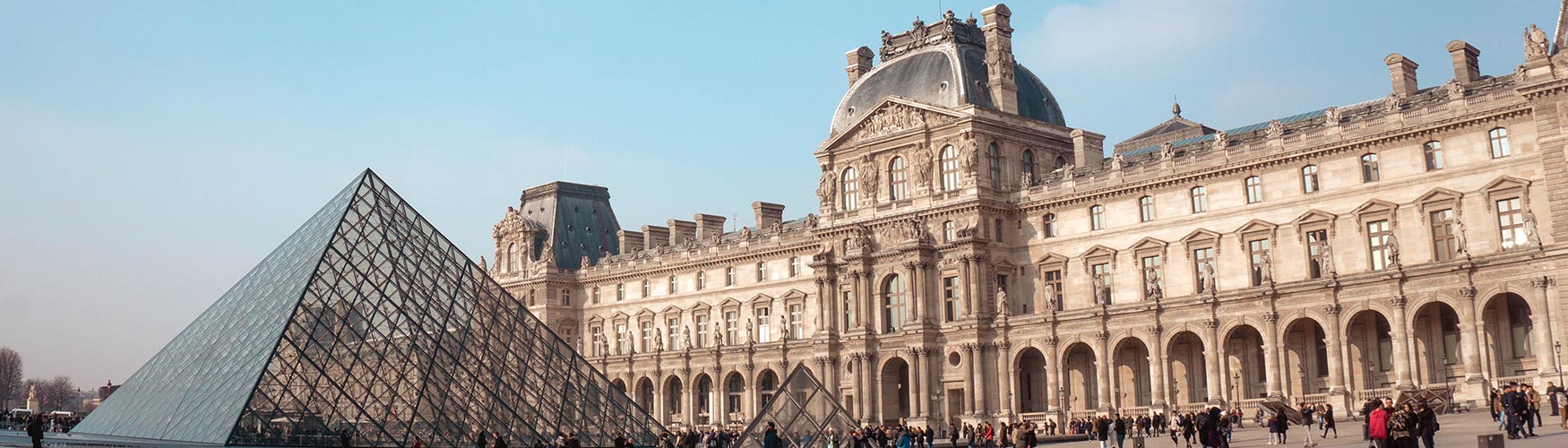
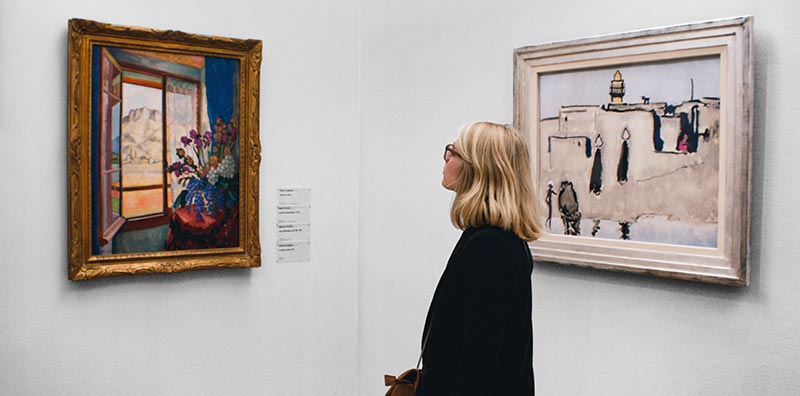
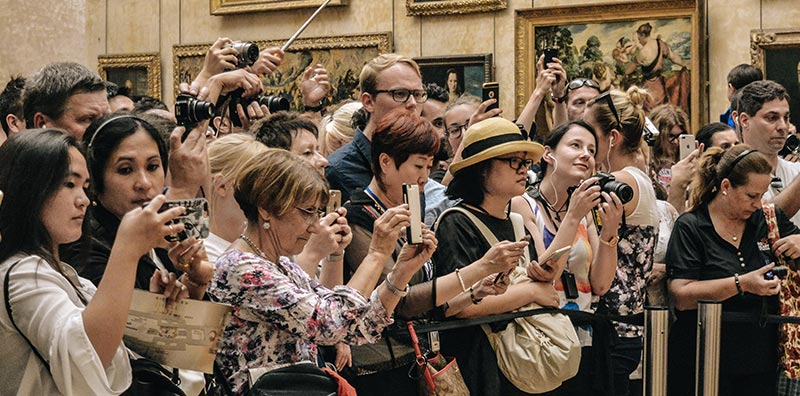
The project culminated in Born from the Heart, Photos of the Soul, a co-curated exhibition that shared not only the photographs themselves but also the conversations, relationships, and recommendations that emerged through the process.
For us, participation is not simply about involving people in research. It is about creating opportunities for dialogue, reflection, creativity, and shared decision-making that can influence practice, policy, and future research.
MORE continues to build on these principles through new collaborations, creative methods, and public engagement activities, demonstrating how participatory approaches can contribute to more relational, equitable, and person-centred maternity care.